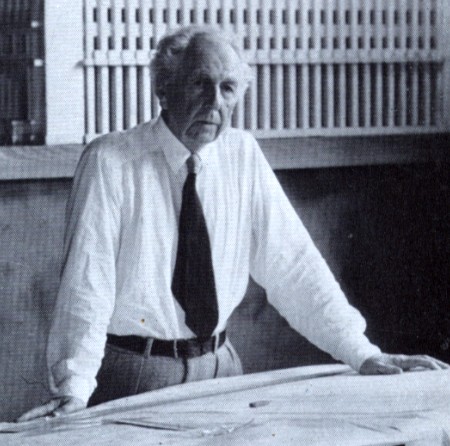
Alan Greenspan at 81 is the most influential and controversial octogenerian sage in the world muses in his memoir on global economy and war in Iraq as war for oil also denies that he held back criticism of the administration's fiscal policies while he led as Fed chairman US Economy for 18 years until January 2006 have played a major role in engineering 1991-2001 economic expansion, the longest in America history which eventually collapsed as he acknowledges in his testemony now:
It was the failure to properly price such risky assets that precipitated the crisis. In recent decades, a vast risk management and pricing system has evolved, combining the best
insights of mathematicians and finance experts supported by major advances in computer and communications technology. A Nobel Prize was awarded for the discovery of the pricing model
that underpins much of the advance in derivates markets. This modern risk management paradigm held sway for decades. The whole intellectual edifice, however, collapsed in the summer of last
year because the data inputted into the risk management models generally covered only the past two decades, a period of euphoria. Had instead the models been fitted more appropriately
to historic periods of stress, capital requirements would have been much higher and the
financial world would be in far better shape today, in my judgment.
The financial landscape that will greet the end of the crisis will be far different from the one that entered it little more than a year ago. Investors, chastened, will be exceptionally
cautious. Structured investment vehicles, Alt-A mortgages, and a myriad of other exotic financial instruments are not now, and are unlikely to ever find willing investors. Regrettably, also
on that list are subprime mortgages, the market for which has virtually disappeared. Home and small business ownership are vital commitments to a community. We should seek ways to
reestablish a more sustainable subprime mortgage market. This crisis will pass, and America will reemerge with a far sounder financial system.
Some gnomes of Greenspan's predictions for the U.S. economy in 2030, when he predicts China will be the US major competitor.
Greenspan is a master of constructive ambiguity. As one of the world’s most respected economists, his rare public utterances were often opaque and always carefully managed but if he was perceived to have no charisma, that was fine by him, provided the world’s markets responded as he intended
.
View End of Wall Street: What Happened, JSJ reporters and principal key financial players explain how the housing bubble inflated and burst, and why easy money led to the collapse of Wall Street's biggest financial institutions. Finally, the crisis on Wall Street story of the $700-billion bailout and looks at what's ahead for the global economy